Cleaning methods have moved on, and the manufacturers now recommend a gentler approach for static homes and lodges. This guide simply shares that advice in plain words — what high pressure can do, and the softer method we use instead.
We have never used a stronger mix on a static home or lodge. Where a surface needs more, we go over it again gently — a second pass, not a stronger chemical. Nothing touches your home and nothing is blasted at it: the product is laid on at low pressure, given the time it needs, then rinsed away.
The short version
A high-pressure jet forces water into joints and behind cladding, where it cannot be seen or dried out.
Window seals, corner trims and mastic joints are damaged first, and the damp shows up months later.
Painted aluminium, vinyl and timber-effect coatings are etched or stripped, so staining comes back faster.
Swift and Willerby both state that pressure washing can void your warranty.
Soft washing uses the right cleaner at the right strength, low pressure, and time — the method your handbook recommends.
Our work is touchless: nothing brushes or scrubs your cladding, and we have never used a mix stronger than 0.5%.
CHECK FOR YOURSELF
What the manufacturers say.
These are the makes we clean most often on North Norfolk parks. Each quotation below is taken word for word from the owner’s handbook the manufacturer publishes, and we have linked the source so you can read it yourself.
Swift GroupSwift Group Owner’s Handbook (Holiday Homes), section 12.4 Exterior panels
“Do not wash your holiday home with a high pressure washer as these can permanently damage the exterior panels and seals.”
The same handbook warns against abrasive or acidic chemicals and recommends washing down with plenty of clean water and very mild detergent.
Read the handbook WillerbyWillerby Owner’s Handbook and warranty information pack
“Do not use pressure washers. Never use abrasive or solvent based cleaners. The use of pressure washers and abrasive or solvent based cleaners will invalidate your warranty.”
For vinyl cladding Willerby recommends a wash with clean water using a garden hose (not a pressure washer) and a soft bristled brush.
Read the handbook ABIABI Owner’s Handbook, General Maintenance – Exterior
“If your cellular PVCu cladding should need cleaning, an occasional wash with clean water using a garden hose, with a soft bristled brush is ideal for this purpose.”
ABI’s aluminium panelling guidance is the same gentle approach: wash regularly with a mild water soap solution, then rinse.
Handbook wording changes between editions, so check the edition issued with your own home. If you tell us the make and cladding, we work to that document rather than a generic recipe.
THE RISK
What high pressure actually does.
01
Water forced behind panels
A high-pressure jet finds edges, joints and drill holes. Once water gets behind the cladding it is trapped against the frame, insulation and vapour barrier, where you cannot see it or dry it out.
02
Seals and gaskets pushed out
Window and door seals, corner trims and mastic joints are the first casualties. A jet can lift a seal that looked sound, and a lifted seal is a damp report six months later.
03
Coatings etched and stripped
Painted aluminium, vinyl and timber-effect finishes rely on their top coat. Pressure strips gloss and can feather the surface, so staining returns faster and the panels look chalky sooner.
04
Warranty left in question
Two of the three manufacturers below state plainly that pressure washing invalidates the warranty. If a claim is refused because of jet marks, that cost lands on the owner.
THE SOFTCOAT METHOD
How soft washing works instead.
Six steps, in order, every job. They come from our SCOPE standard — the SoftCoat Code of Practice Environmental — and they are the same checks a manufacturer’s handbook asks you to make.
01
Identify the surface
We check the cladding type and finish before deciding anything — the same check the manufacturers tell owners to make.
02
Identify the staining
Green algae, black streaks, moss and mildew each need a different treatment. Guessing is what forces people up the pressure.
03
Choose the product and dilution
The correct cleaner at the correct strength. On delicate surfaces we hold sodium hypochlorite at a maximum of 0.5% — a ceiling we have never gone above.
04
Apply at low pressure and let it dwell
Application is touchless: the product is laid on gently and given the time it needs to break the growth down at the root. Nothing is scrubbed or blasted at the surface.
05
Protect plants, soil and drainage
Everything around the home is pre-wet and contained, so the run-off does its work on the stain and not on your border.
06
Rinse, inspect and record
A soft rinse, a walk-round inspection, then before-and-after photographs filed against your job reference.
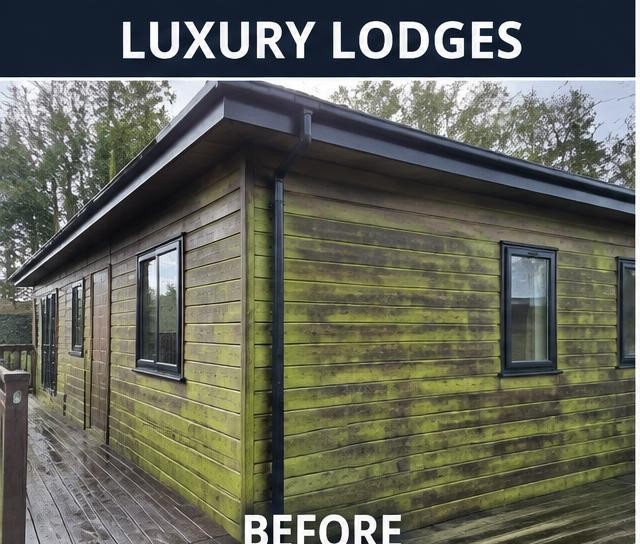
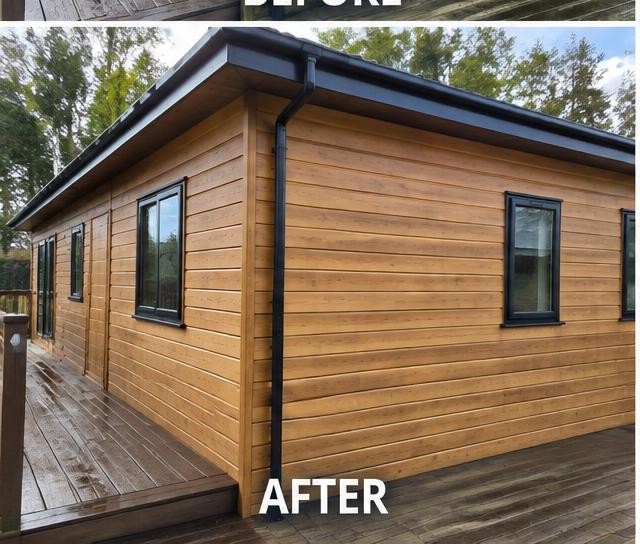
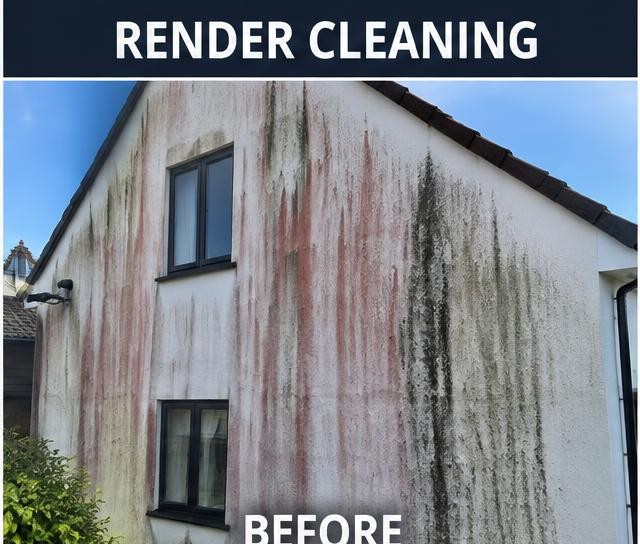
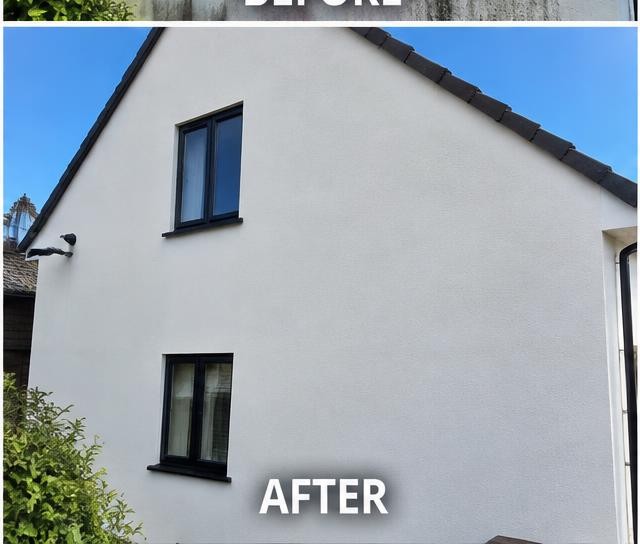
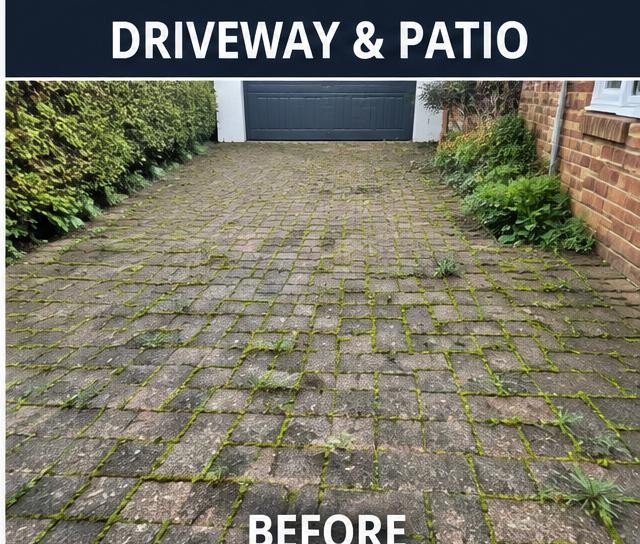
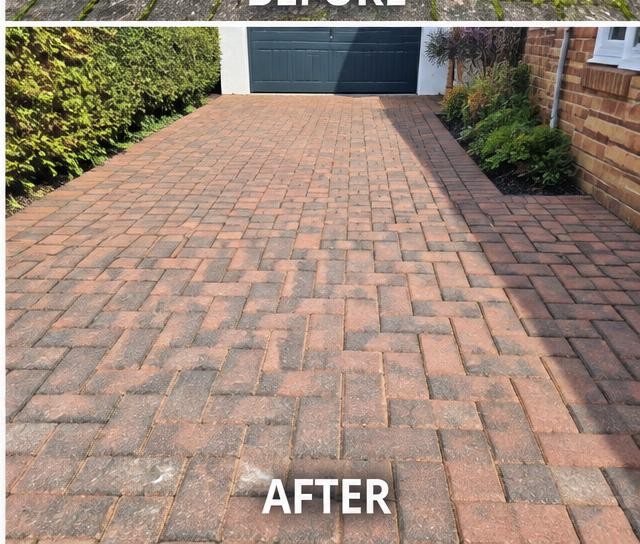
Drag each slider to see the difference a gentle, treated clean makes.
AFTERBEFORE
Lodge exterior
AFTERBEFORE
Render
AFTERBEFORE
Patio & paving
Ten years of doing it the manufacturers’ way.
We have spent ten years soft washing static homes and cleaning lodges on holiday resorts along the North Norfolk coast, using the cleaning methods set out by the manufacturers themselves — not a pressure setting. That is the difference between a clean that looks good for a fortnight and one that protects the value of the home.
Fully insured, SafeContractor certified working
Low pressure only on panels, seals and coated finishes
Before-and-after photographs filed to your job reference
A real person on the phone, local to the coast
Like the sound of it? Speak to your park office.
Cleaning on a park is arranged through the park management, so mention soft washing to your park office or site manager and ask them to get in touch with us. We are happy to explain the method to them and supply our insurance and credentials.
On hard, open surfaces such as brick, concrete and block paving, low-pressure washing with the right nozzle and distance can be appropriate. On a cladded static home or lodge the manufacturers advise against it, which is why we do not use a high-pressure jet on panels, seals or coated finishes.
Will soft washing harm my plants, lawn or pets?
We pre-wet planting, contain the run-off and work within COSHH and risk-assessment rules, so treatment stays on the stain and away from soil, drains and your family. The SCOPE standard we work to includes plant and environment protection as a required step.
How do I know which method my own home needs?
Tell us the make and the cladding, or send a couple of photographs. We follow the guidance in your manufacturer’s handbook rather than a one-size-fits-all recipe, and we will say so if a gentler approach is all that is needed.
Do I need the park’s permission?
Parks set their own rules about access, chemicals and drainage, so it is worth checking yours. We are used to working alongside park offices and can supply our method statement, insurance and credentials before we start.
How do I arrange a clean?
On most parks, cleaning is arranged through the park management, so the simplest route is to mention soft washing to your park office or site manager and ask them to contact us. We will happily explain the method, supply our insurance and credentials, and agree a price with them.
One step from here.
Mention soft washing to your park office or site manager and ask them to contact us — we will gladly talk them through the method, the insurance and the standard we work to.